
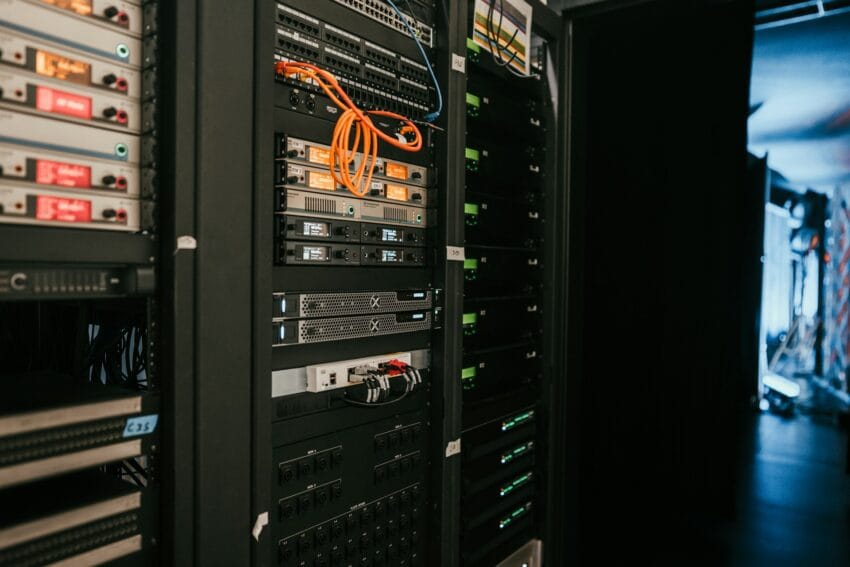
AI, Sustainability, Cloud Infrastructure, and the Future of Digital Operations
For more information on Web Host Pro’s green tech page, click here: Green Data Center
Back in 2010, “green data center management” was considered a forward-thinking niche in the technology industry. Virtualization was beginning to reduce hardware waste, energy efficiency was becoming a priority, and colleges were slowly recognizing the growing need for specialized infrastructure professionals.
Today, the data center industry has evolved into one of the most important sectors powering the global economy.
Artificial intelligence, cloud computing, cybersecurity, streaming media, online business, edge computing, and machine learning have created unprecedented demand for modern data centers and the professionals who design, secure, optimize, and operate them.
What used to be viewed as “server room management” is now a high-tech industry involving AI infrastructure, sustainable energy systems, automation, cloud engineering, liquid cooling, and hyperscale networking.
According to the International Energy Agency, electricity demand from data centers is rising rapidly due to AI and cloud growth:
https://www.iea.org/reports/electricity-2024
At the same time, the industry faces a growing talent shortage. Experienced infrastructure engineers are retiring while demand for skilled workers continues increasing worldwide. For students, IT professionals, career changers, and technology enthusiasts, modern data center careers now represent one of the strongest long-term opportunities in tech.
Companies like https://webhostpro.com/ have witnessed this transformation firsthand as hosting providers and infrastructure companies continue adapting to the next generation of cloud and AI-powered computing.
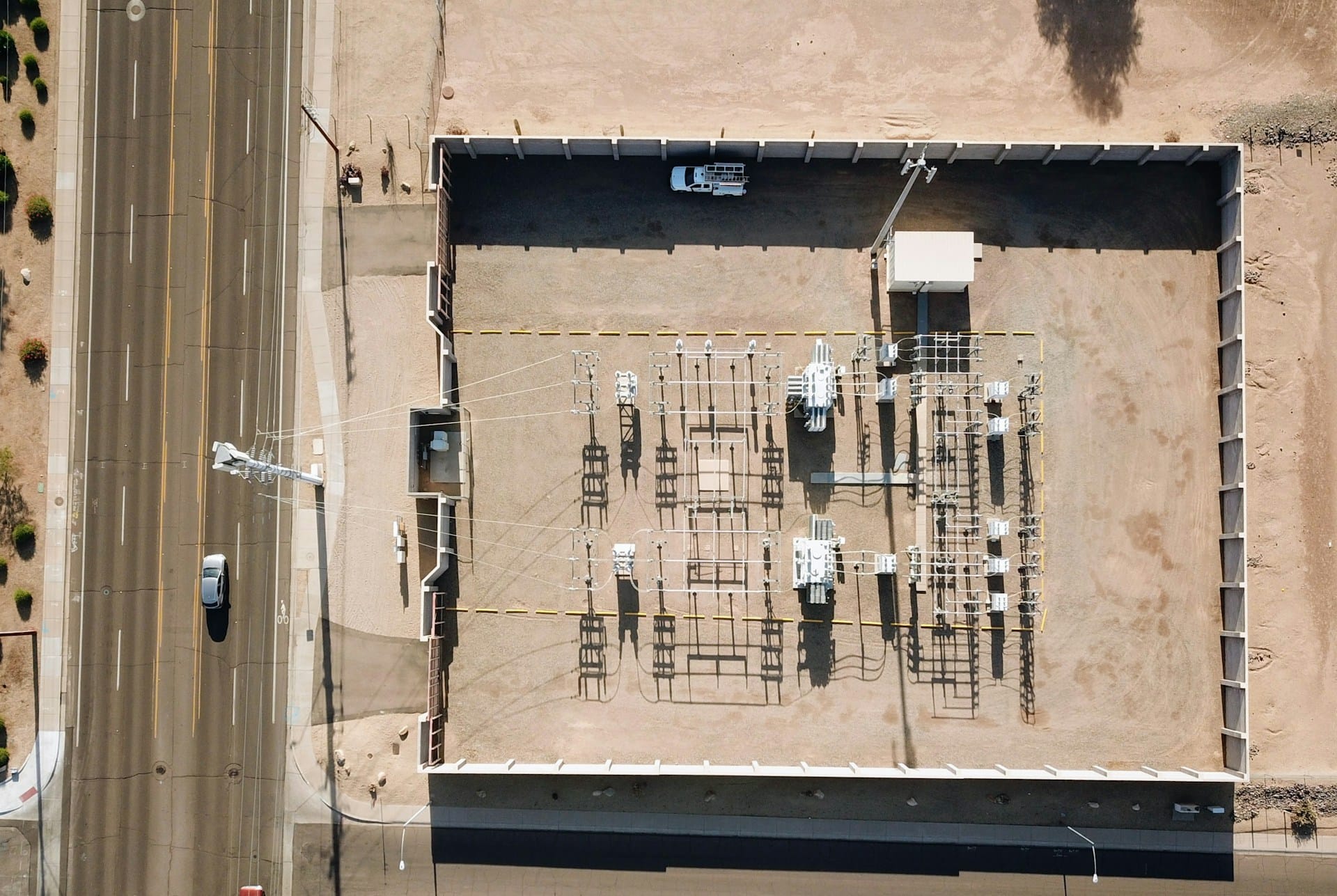
Why Data Centers Are More Important Than Ever
Nearly every modern digital service depends on data centers.
Whether someone is streaming Netflix, training an AI model, processing a payment, hosting a website, running a business application, backing up family photos, or using cloud software, data centers are operating behind the scenes.
Major cloud platforms such as:
continue expanding aggressively to meet growing global demand.
Artificial intelligence has accelerated this growth even further. AI workloads require massive GPU clusters, ultra-fast networking, advanced cooling systems, and high-density power delivery infrastructure.
NVIDIA’s AI infrastructure platforms are helping reshape modern data center architecture:
https://www.nvidia.com/en-us/data-center/
This demand has created major opportunities across multiple career paths including:
- Cloud engineering
- AI infrastructure management
- Network engineering
- Cybersecurity
- Facilities operations
- Sustainability management
- Automation engineering
- Linux administration
- Data center operations
- Edge computing infrastructure
The Evolution From Green IT to Sustainable AI Infrastructure
In the early days of green data centers, the focus was mainly on reducing power consumption through virtualization and efficient cooling systems.
Today, sustainability has become far more advanced and business-critical.
Modern data centers now track and optimize:
- Power Usage Effectiveness (PUE)
- Renewable energy integration
- Water consumption
- Carbon emissions
- Heat reuse systems
- Intelligent cooling
- AI-driven efficiency optimization
Google has publicly shared how artificial intelligence is being used to reduce cooling energy consumption in data centers:
https://blog.google/outreach-initiatives/sustainability/how-we-use-ai-reduce-energy-consumption-data-centers/
Many facilities now use:
- Liquid cooling systems
- Immersion cooling
- Renewable-powered infrastructure
- Smart battery systems
- Modular edge facilities
- AI-assisted environmental monitoring
Sustainability is no longer just about environmental awareness. It directly affects operational costs, infrastructure scalability, investor confidence, and long-term profitability.
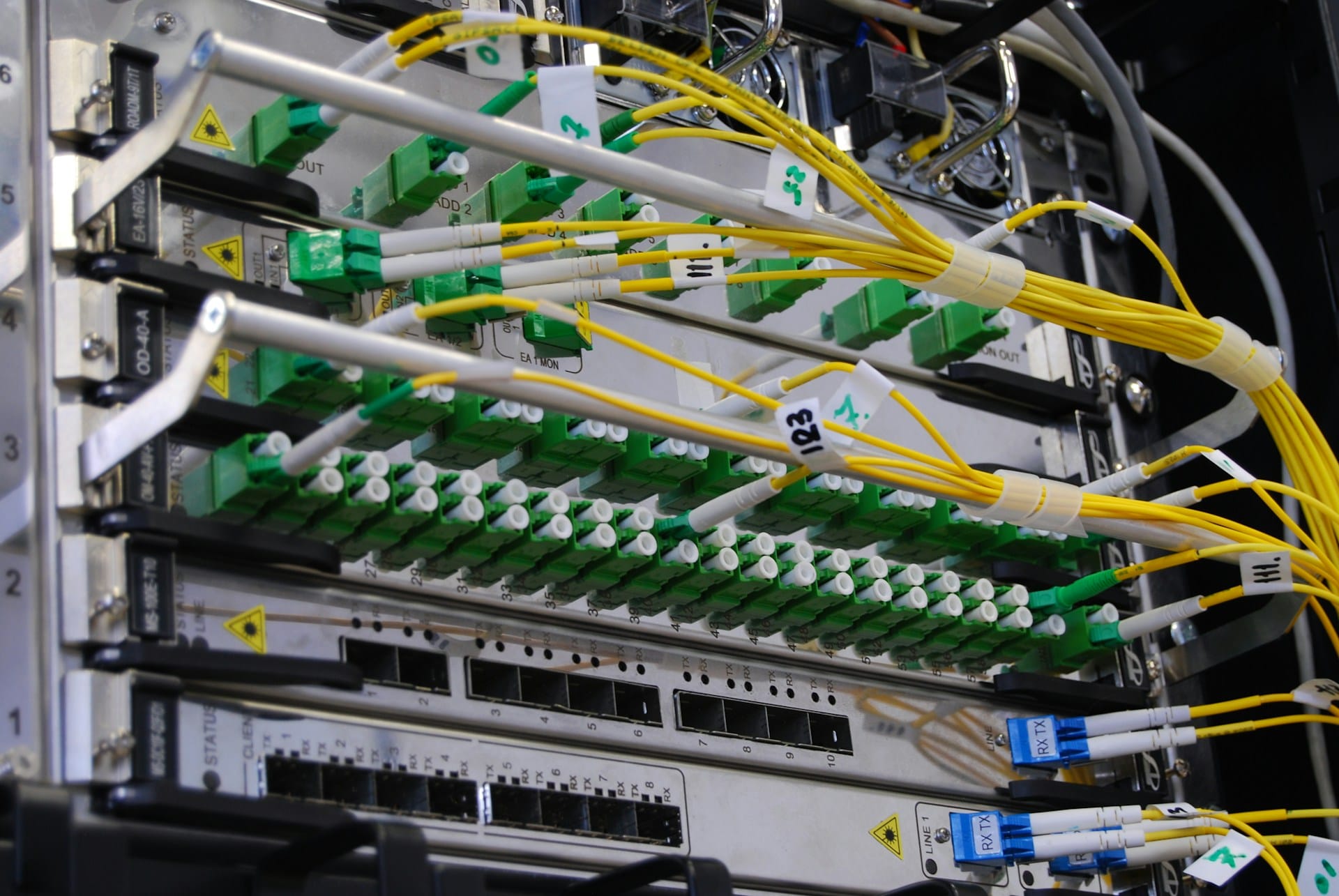
The Fastest Growing Data Center Jobs in 2026
The modern data center workforce is far more diverse than it was a decade ago.
Cloud Infrastructure Engineer
Cloud engineers build and manage scalable environments across AWS, Azure, and Google Cloud platforms.
Key skills often include:
- Kubernetes
- Linux
- Terraform
- Automation
- Infrastructure as code
- High availability architecture
- Virtualization
Kubernetes continues to dominate cloud-native infrastructure:
https://kubernetes.io/
AI Infrastructure Specialist
AI infrastructure is one of the fastest-growing sectors in technology.
Professionals in this field support:
- GPU clusters
- High-density networking
- Distributed storage systems
- AI model deployment
- AI compute optimization
- Liquid cooling environments
As enterprise AI adoption expands, demand for these specialists is expected to continue growing rapidly.
Data Center Operations Technician
Operations technicians maintain uptime and manage physical infrastructure inside facilities.
Responsibilities may include:
- Hardware replacement
- Cabling and fiber management
- Server deployment
- Monitoring systems
- Incident response
- Rack installations
This role remains one of the most common entry points into the industry.
Sustainability and Energy Optimization Manager
Modern facilities increasingly require specialists focused on efficiency and environmental optimization.
Responsibilities often include:
- Energy audits
- Cooling optimization
- ESG reporting
- Renewable energy integration
- Capacity planning
- Power management
Cybersecurity Specialist
Data centers are now critical infrastructure targets.
Cybersecurity professionals focus on:
- Physical security
- Network protection
- Threat monitoring
- Compliance
- Zero trust systems
- Incident response
The Cybersecurity and Infrastructure Security Agency provides extensive information on critical infrastructure protection:
https://www.cisa.gov/topics/critical-infrastructure-security-and-resilience
Network Engineer
Networking remains foundational to modern infrastructure operations.
High-demand networking skills include:
- BGP routing
- Fiber networking
- VLAN architecture
- SD-WAN
- Low-latency optimization
- Data center switching
How AI Is Changing Data Center Operations
Artificial intelligence is not only increasing demand for infrastructure. It is also changing how facilities operate internally.
Modern data centers now use AI-driven systems for:
- Predictive maintenance
- Cooling optimization
- Automated failover
- Capacity forecasting
- Power balancing
- Threat detection
This shift is creating strong demand for professionals who understand both infrastructure and automation.
Skills becoming increasingly valuable include:
- Python
- Docker
- Kubernetes
- Terraform
- Linux
- API integrations
- Ansible
Infrastructure is rapidly moving toward “software-defined everything,” where systems are managed through automation instead of manual configuration alone.
The Rise of Edge Data Centers
Traditional hyperscale facilities are no longer the only growth area.
Edge computing is expanding rapidly as businesses need lower latency and faster regional processing.
Edge facilities help improve:
- Streaming performance
- Online gaming
- AI response times
- IoT connectivity
- Real-time analytics
Cloudflare explains edge computing and its growing importance here:
https://www.cloudflare.com/learning/serverless/glossary/what-is-edge-computing/
Industries driving edge infrastructure growth include:
- Healthcare
- Manufacturing
- Smart cities
- Retail
- Autonomous systems
- Logistics
Degrees vs Certifications vs Real-World Experience
One of the biggest changes since 2010 is that there are now multiple pathways into data center careers.
A college degree still provides value in areas such as:
- Computer science
- Information technology
- Electrical engineering
- Cybersecurity
- Network engineering
However, many employers now prioritize practical skills and certifications equally or even more heavily.
Popular certifications include:
- AWS Certified Solutions Architect
- CompTIA Network+
- CompTIA Security+
- Cisco CCNA
- Microsoft Azure certifications
- Linux Foundation certifications
The Linux Foundation offers infrastructure learning resources here:
https://www.linuxfoundation.org/
Hands-on experience is now easier than ever to obtain through:
- Virtual labs
- Cloud free tiers
- Homelabs
- Open-source projects
- Community learning platforms
For motivated individuals, this industry offers one of the strongest nontraditional career paths in modern technology.
The Physical Side of Modern Infrastructure
Many people assume modern infrastructure careers are fully remote or entirely cloud-based.
In reality, physical operations remain critically important.
Facilities teams manage:
- Cooling systems
- Backup generators
- UPS systems
- Power distribution
- Fire suppression
- Hardware lifecycle management
- Fiber infrastructure
As AI racks become more power-dense, thermal management and power engineering are becoming even more specialized career paths.
Remote and Hybrid Career Opportunities
Another major evolution since the early 2010s is the growth of remote infrastructure management.
Many roles involving:
- Monitoring
- Automation
- Cloud operations
- DevOps
- Security
- Systems engineering
can now be performed remotely or in hybrid environments.
At the same time, physical facilities still require on-site specialists for maintenance, deployments, and emergency operations.
This combination creates both local and remote opportunities across the industry.
Common Mistakes People Make Entering the Industry
Focusing Too Narrowly
Modern infrastructure overlaps across networking, Linux, cloud systems, automation, and cybersecurity. Broad foundational knowledge matters.
Ignoring Automation
Manual-only infrastructure management is rapidly disappearing. Automation skills are increasingly expected.
Avoiding Linux
Linux remains foundational across cloud infrastructure and enterprise hosting environments.
Overlooking Sustainability
Energy optimization and environmental efficiency are now core business priorities throughout the industry.
Practical Steps to Start a Data Center Career
Build a Homelab
A small home lab can teach:
- Networking
- Linux
- Virtualization
- Storage systems
- Monitoring tools
Learn Cloud Platforms
Free cloud tiers from AWS, Azure, and Google Cloud provide valuable hands-on experience.
Study Linux and Automation
Learning Linux, scripting, and infrastructure automation creates a strong long-term foundation.
Follow Industry News
Useful industry resources include:
https://www.datacenterdynamics.com
https://www.uptimeinstitute.com
You can also follow hosting infrastructure trends and industry discussions on:
https://webhostproblog.com/
FAQ
Are data center jobs still in demand?
Yes. AI, cloud computing, cybersecurity, and edge computing continue driving major infrastructure expansion globally.
Do I need a college degree to work in a data center?
Not necessarily. Many professionals enter through certifications, homelabs, military experience, or practical IT experience.
What are the highest-paying data center careers?
AI infrastructure engineering, cloud architecture, cybersecurity, and hyperscale infrastructure management currently offer some of the strongest compensation potential.
Is the industry becoming more automated?
Yes, but automation is increasing demand for highly skilled professionals who can manage and optimize complex systems.
Are green data centers still important?
More than ever. Sustainability now directly impacts operational costs, scalability, regulatory compliance, and long-term business performance.
The data center industry has evolved far beyond traditional server management. It now sits at the center of AI, cloud computing, sustainability, cybersecurity, and global digital infrastructure. For people entering the field today, the opportunities are broader, more technical, and more future-focused than ever before.
To learn more about modern hosting infrastructure and cloud technologies, visit https://webhostpro.com/