
On Thursday, the internet reached a major milestone: the central supply of traditional IP addresses officially ran out.
The nonprofit organizations responsible for distributing internet addresses announced that the last available blocks of IPv4 addresses had been allocated. IPv4 is the addressing system that has supported most of the internet since its early growth.
“This is a historic day in the history of the internet, and one we have been anticipating for quite some time,” said Raul Echeverria, chairman of the Number Resource Organization.
Despite the headline, the internet is not shutting down. This transition has been expected for years, and the industry has already been preparing for the next generation of internet addressing: IPv6.
The older IPv4 system provides about 4.3 billion possible addresses. At one time, that seemed like more than enough. However, with billions of people online and many users now connecting through multiple devices, including computers, phones, tablets, routers, smart TVs, and connected appliances, the supply eventually became too small.
John Curran, CEO of the American Registry for Internet Numbers, explained the issue clearly. A billion addresses may sound like a lot, but when nearly 7 billion people are on the planet and many users need several addresses each, 4.3 billion is no longer enough.
IPv6 solves this problem by creating an almost unimaginably large pool of addresses. The new system supports roughly 340 undecillion IP addresses, a number so large that it is expected to support internet growth for generations.
Curran described the scale by comparing IPv4 to IPv6: if the old pool of addresses were the size of a golf ball, the new pool would be about the size of the sun.
For most everyday internet users, the transition should happen quietly. People will still visit websites by typing familiar domain names, such as dwhs.com, instead of entering numerical IP addresses directly.
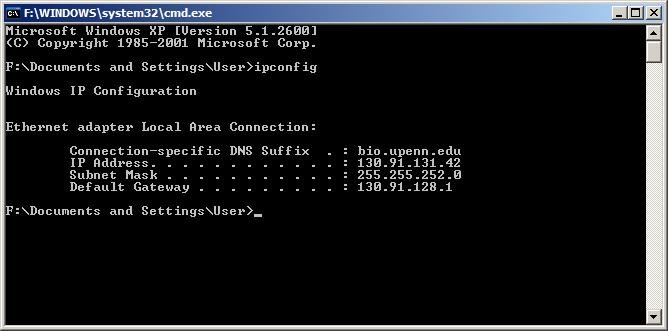
Behind the scenes, however, every website, server, router, and internet-connected device relies on an IP address. The current IPv4 format uses shorter number-based addresses, while IPv6 uses a longer format that includes numbers and letters.
The rapid growth of smartphones, mobile networks, and internet-connected devices helped accelerate the exhaustion of IPv4 addresses. As more people and devices came online around the world, the need for additional addresses grew much faster than originally expected.
The Number Resource Organization, which represents five regional internet registries, coordinated the final distribution of IPv4 address blocks. After the last major allocation to the Asia-Pacific region, the remaining blocks were divided among the five regional groups.
Some IPv6 addresses have already been distributed to service providers that requested them, and adoption will continue to grow as more networks, hosting providers, and businesses prepare for the future.
Most users will not need to take action immediately. However, businesses, website owners, and network operators should check with their internet or hosting providers to make sure they are ready for IPv6. This helps ensure that websites and services remain accessible as the internet continues to evolve.
The end of the central IPv4 supply marks the close of one chapter in internet history and the beginning of a much larger, more scalable future.